
Does Vegetarian Diet Decrease Risk of Colon Cancer?
Could eating less meat—and more plant-based foods—help lower your risk of colon cancer? And what role does fish play?
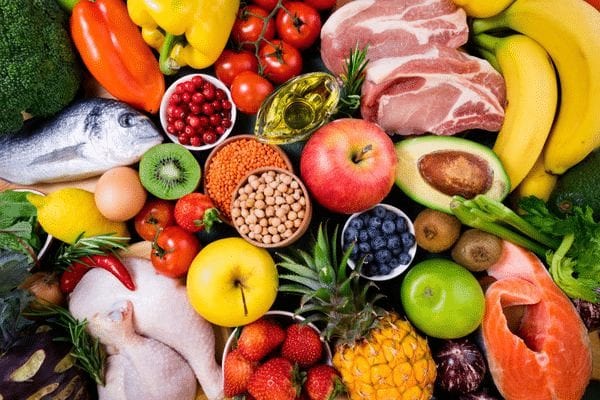
It’s a question researchers have been studying for years. Some studies have found that people who follow vegetarian or other plant-focused diets have a lower risk of colorectal cancer. However, the research is more nuanced, particularly because some studies include pescovegetarians, who avoid meat but eat fish. Fish may also be a nutritious alternative to red and processed meat, which are associated with increased colorectal cancer risk.
Overall, the evidence suggests that the quality of your diet may matter more than simply whether you label yourself vegetarian. A diet rich in fiber, whole grains, vegetables, fruits, beans, and other plant foods—and lower in red and processed meat—may support better colorectal health.
What Does the Research Say About Vegetarian Diets and Colon Cancer?
One of the studies that brought significant attention to this topic was published in 2015 in JAMA Internal Medicine. Researchers followed 77,659 adults participating in the Adventist Health Study 2 and compared colorectal cancer rates among people following different dietary patterns.
The researchers found that people following vegetarian diets had a lower incidence of colorectal cancer compared with nonvegetarians. The association was particularly strong among pescovegetarians, who eat fish but avoid other meat.
However, this was an observational study. That means researchers found an association between dietary patterns and cancer risk, but they could not prove that avoiding meat itself caused the difference.
People who follow vegetarian diets may also differ from nonvegetarians in other ways, including their intake of fiber, fruits and vegetables, physical activity, body weight, and other lifestyle factors.
So, does being vegetarian automatically lower your risk of colon cancer?
Not necessarily.
A Vegetarian Diet Isn't Automatically a Healthy Diet
Simply removing meat from your diet doesn’t guarantee that you’re eating in a way that supports good health.
A vegetarian diet can include plenty of highly processed foods, refined carbohydrates, added sugars, and foods high in calories, salt, or saturated fat. On the other hand, a plant-forward diet built around minimally processed foods can provide substantial amounts of fiber and other nutrients.
The World Cancer Research Fund currently notes that there is no direct evidence that following a vegetarian or vegan diet itself reduces cancer risk. However, many characteristics of a healthy vegetarian diet align with established cancer-prevention recommendations, including eating more whole grains, vegetables, fruits, and legumes while limiting red meat and avoiding processed meat.
In other words, the goal doesn’t necessarily have to be eliminating every animal product. Instead, think about making nutritious plant foods a larger part of your everyday diet.
Why Is Fiber Important for Colon Health?
One of the biggest potential benefits of a plant-rich diet is dietary fiber.
Fiber is found naturally in foods such as:
- Whole grains
- Beans and lentils
- Fruits
- Vegetables
- Nuts and seeds
The World Cancer Research Fund reports strong evidence that foods containing dietary fiber and whole grains reduce the risk of colorectal cancer. It recommends aiming for at least 30 grams of fiber per day from food sources.
Fiber may help protect the colon in several ways. It increases stool bulk and can shorten the amount of time potentially harmful substances remain in contact with the lining of the colon. Fiber is also fermented by bacteria in the colon, producing short-chain fatty acids such as butyrate that may have protective effects.
If you’re trying to improve your diet for colon health, increasing fiber-rich foods may be more important than simply labeling your diet “vegetarian.”
What Foods Should You Eat for Better Colon Health?
Rather than focusing exclusively on whether a food is vegetarian, consider building meals around a variety of minimally processed plant foods.
Good choices include:
Whole Grains
Choose foods such as oatmeal, brown rice, whole-grain bread, barley, quinoa, and other whole grains more often.
Whole grains are a particularly important part of colorectal cancer prevention because there is strong evidence that higher consumption is associated with a lower risk of colorectal cancer.
Vegetables and Fruit
Aim to include a variety of colorful vegetables and fruits throughout the day. These foods provide fiber along with vitamins, minerals, and numerous naturally occurring plant compounds.
Beans and Lentils
Beans, lentils, chickpeas, and other legumes are excellent sources of dietary fiber and plant-based protein.
Nuts and Seeds
Nuts and seeds can provide fiber, healthy fats, and other nutrients. They can be an easy addition to oatmeal, salads, yogurt, or whole-grain meals.
Fish
If you don’t follow a vegetarian diet, fish can be a nutritious alternative to red and processed meat. The 2015 Adventist study found the strongest association with lower colorectal cancer risk among pescovegetarians, although that finding does not prove that eating fish itself prevents colorectal cancer.
What About Red and Processed Meat?
One reason plant-focused eating patterns may be associated with better colorectal health is that they often contain less red and processed meat.
Research has consistently linked higher consumption of red meat with increased colorectal cancer risk, while the evidence regarding processed meat is even stronger. The World Cancer Research Fund recommends limiting red meat and eating little, if any, processed meat.
You don’t need to follow a completely vegetarian diet to make choices that support colorectal health.
Instead, consider replacing some meals containing red or processed meat with foods such as:
- Beans or lentils
- Fish
- Chicken or turkey
- Whole grains
- Vegetables
- Plant-based proteins such as tofu
Small changes made consistently can help improve the overall quality of your diet.
Is a Vegan Diet Better for Preventing Colon Cancer?
Not necessarily.
It’s easy to assume that if eliminating meat is beneficial, eliminating all animal products must be even better. Current evidence doesn’t support that conclusion.
A 2026 analysis discussed by the World Cancer Research Fund found no statistically significant difference in colorectal cancer risk between vegetarians and meat eaters overall. The researchers emphasized that dietary quality varies substantially among people who follow vegetarian or vegan diets and that more research is needed.
The takeaway is not that plant-based foods are unimportant. Quite the opposite.
The evidence supports making whole grains, vegetables, fruits, beans, and other minimally processed plant foods a major part of your diet, while limiting red meat and avoiding processed meat as much as possible.
Diet Is Only One Part of Colon Cancer Prevention
Even a very healthy diet cannot eliminate your risk of colorectal cancer.
Other factors can affect your risk, including age, family history, inflammatory bowel disease, body weight, physical activity, smoking, and alcohol consumption.
That’s why colorectal cancer screening is such an important part of prevention.
For adults at average risk, current guidelines recommend beginning colorectal cancer screening at age 45. Screening can identify colorectal cancer before symptoms develop and, with colonoscopy, can identify and remove precancerous polyps before they become cancer.
If you have a personal or family history of colorectal cancer or polyps, inflammatory bowel disease, or certain inherited conditions, you may need to begin screening earlier or follow a different screening schedule.
Don't Rely on Diet Alone to Prevent Colon Cancer
Eating more plant-based foods can be an excellent step toward a healthier diet, but it shouldn’t replace recommended colorectal cancer screening.
The goal is to take a comprehensive approach to prevention:
- Eat plenty of vegetables, fruits, whole grains, and beans.
- Aim for adequate dietary fiber.
- Limit red meat.
- Avoid or minimize processed meat.
- Stay physically active.
- Maintain a healthy weight.
- Avoid tobacco.
- Limit or avoid alcohol.
- Stay current with recommended colorectal cancer screening.
At Digestive Healthcare Center, our Colon Cancer Prevention Program helps patients understand their individual risk and take proactive steps toward colorectal cancer prevention and early detection.
The Bottom Line: Do Vegetarians Have a Lower Risk of Colon Cancer?
Research suggests that some vegetarian and plant-focused dietary patterns may be associated with a lower risk of colorectal cancer, but being vegetarian does not automatically mean you have a lower cancer risk.
What appears to be most important is the overall pattern of eating. A diet rich in whole grains, vegetables, fruits, beans, and other high-fiber plant foods—and low in red and processed meat—is consistent with current colorectal cancer prevention recommendations.
And no matter what you eat, don’t overlook colorectal cancer screening.
If you’re 45 or older and haven’t been screened, or if you have risk factors that may require earlier screening, talk with a gastroenterologist at Digestive Healthcare Center about the screening approach that’s right for you.
Make an Appointment for Comprehensive Digestive Care in NJ
At Digestive Healthcare Center, we want every patient at our New Jersey offices to feel confident about their digestive health. Our experienced gastroenterologists can help you understand your colorectal cancer risk, answer questions about screening, and develop an appropriate plan for your digestive health.
Don’t wait to take the next step in colon cancer prevention. Contact Digestive Healthcare Center today to schedule an appointment.
Recent Blogs
Learn more about all things digestive health and wellness by checking out our recent gastroenterology blogs.

5 Reasons to Seek Medical Treatment for Hemorrhoids
5 Reasons to Seek Medical Treatment for Hemorrhoids Hemorrhoids are a common condition that affects millions of Americans and can make everyday activities such as
Causes of Constipation and How to Get Relief
Causes of Constipation and How to Get Relief Constipation is one of the most common digestive issues, affecting millions of people each year. While occasional

8 Ways to Relieve Acid Reflux and GERD Symptoms
Stomach acid is essential for breaking down the food you eat. While your stomach is designed to handle this acid, your esophagus, the tube connecting