
Red Meat and Colon Cancer Risk—What You Need to Know
Can eating red meat increase your risk of colon cancer? Research suggests that eating red meat regularly, particularly in larger amounts, is associated with an increased risk of colorectal cancer. The evidence is even stronger for processed meats such as bacon, sausage, ham, hot dogs, and deli meats.
That doesn’t mean you have to eliminate steak or hamburgers from your diet completely. But if you’re concerned about colon cancer prevention, it’s worth taking a closer look at how much red and processed meat you eat and what you can eat instead.
Does Red Meat Increase Colon Cancer Risk?
Red meat includes beef, pork, lamb, veal, and other meat from mammals. Processed meat has been preserved or changed through methods such as smoking, curing, salting, or fermentation. Examples include bacon, sausage, hot dogs, ham, salami, and many deli meats.
The American Cancer Society considers red meat a probable carcinogen and processed meat a known carcinogen based on evidence linking these foods to cancer, particularly colorectal cancer.
Risk appears to increase with greater consumption of red and processed meat, which is why cancer-prevention organizations recommend limiting both.
Why Might Red Meat Increase the Risk of Colon Cancer?
Researchers are still studying exactly how red and processed meat contribute to colorectal cancer risk. Several mechanisms may play a role.
One involves heme iron, a compound found in relatively high amounts in red meat. Heme can promote the formation of N-nitroso compounds in the digestive tract. These compounds can damage the cells lining the colon and may contribute to the development of cancer.
Cooking meat at very high temperatures—particularly grilling, broiling, or barbecuing—can also create compounds called heterocyclic amines (HCAs) and polycyclic aromatic hydrocarbons (PAHs). These chemicals can damage DNA and have been associated with cancer development.
Processed meats present another concern. Smoking, curing, salting, and the use of preservatives such as nitrates and nitrites can lead to the formation of compounds that may damage the lining of the digestive tract.
This doesn’t mean that eating one hamburger or steak causes colon cancer. Cancer develops through a combination of factors over time. Diet is simply one factor that can influence your overall risk.
- Keep your caloric intake reasonable
- Eat food that have been associated with protection from colon cancer:
- Calcium from diary products (low- or non-fat)
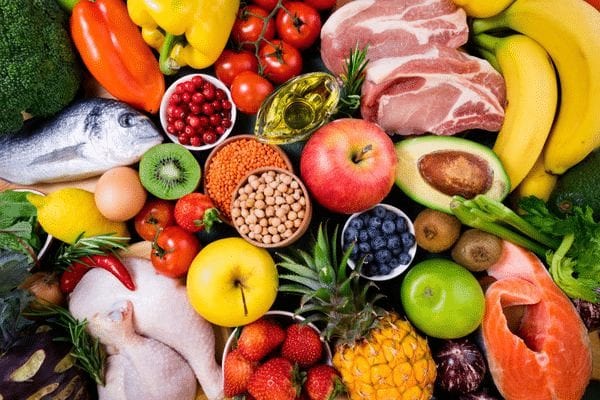
- Fruits, Vegetables, Whole Grains, Fish
- Exercise regularly
- Avoid tobacco
- If you choose to drink, limit yourself to an average of no more than two drinks a day
- Make sure your Vitamin D level is optimal
- Low-dose aspirin may also reduce risk (speak with your doctor)
How Much Red Meat Is Too Much?
There isn’t a single amount of red meat that can be guaranteed to be “safe” from a cancer-risk perspective. The American Cancer Society recommends choosing protein sources such as fish, poultry, and beans more often than red meat and eating processed meat sparingly, if at all.
For people who do eat red meat, the World Cancer Research Fund recommends limiting consumption to approximately three portions per week or less, totaling about 12 to 18 ounces of cooked red meat. It recommends eating little, if any, processed meat.
A practical approach is to think about what you can add to your diet, rather than simply what you need to eliminate. Try replacing some meals containing beef, pork, or processed meat with:
- Fish
- Chicken or turkey
- Beans and lentils
- Eggs
- Nuts and seeds
- Other plant-based protein sources
These simple substitutions can make it easier to build a diet that supports overall health and may help lower colorectal cancer risk.
Does How You Cook Meat Matter?
It may.
Cooking meat at very high temperatures, particularly over an open flame, can create HCAs and PAHs. These compounds can contribute to DNA damage.
If you’re grilling, consider avoiding heavily charred or burned portions of meat. You can also vary your cooking methods by choosing baking, roasting, steaming, or other methods that don’t expose meat to extremely high temperatures.
Remember, however, that reducing your overall intake of red and processed meat is more important than focusing on one particular cooking method.
What Should You Eat for Better Colon Health?
A colon-friendly eating pattern isn’t about one “superfood.” Instead, focus on an overall diet rich in minimally processed plant foods.
The American Cancer Society recommends a diet that emphasizes vegetables, fruits, whole grains, and beans. Whole grains and other high-fiber plant foods can also help support a healthy weight, which is important because excess body weight is associated with increased cancer risk.
The World Cancer Research Fund recommends aiming for approximately 30 grams of dietary fiber each day, primarily from foods such as whole grains, vegetables, fruits, beans, lentils, nuts, and seeds.
A simple way to improve your diet is to make plant foods the foundation of your meals and use meat as a smaller part of the meal rather than the centerpiece every time.
Other Ways to Reduce Your Risk of Colon Cancer
Your diet is only one factor that can influence colorectal cancer risk. Other lifestyle choices can also affect your risk.
Stay Physically Active
Regular physical activity is associated with a lower risk of colorectal cancer. Aim for consistent moderate or vigorous physical activity as part of your routine.
Maintain a Healthy Weight
Being overweight or obese is associated with an increased risk of colorectal cancer. Maintaining a healthy weight through regular physical activity and a balanced diet can support both your digestive and overall health.
Don't Smoke
Smoking is associated with an increased risk of colorectal cancer, as well as numerous other serious health conditions. If you smoke, talk with your healthcare provider about resources that can help you quit.
Limit Alcohol
Alcohol consumption is associated with an increased risk of colorectal cancer. For cancer prevention, the American Cancer Society recommends avoiding alcohol. For people who choose to drink, it recommends no more than one drink per day for women and two drinks per day for men.
Don't Rely on Supplements to Prevent Colon Cancer
It’s tempting to think that taking a vitamin or supplement can offset an unhealthy diet. However, cancer-prevention organizations recommend getting your nutritional needs primarily through food rather than relying on supplements for cancer prevention.
Vitamin D is important for overall health, but there isn’t enough evidence to recommend vitamin D supplements specifically as a way to prevent colorectal cancer.
Similarly, low-dose aspirin should not be started solely to prevent colon cancer. The USPSTF’s current guidance says the evidence is unclear regarding whether aspirin reduces colorectal cancer incidence or mortality, and aspirin can cause serious bleeding. Decisions about aspirin should be made with your healthcare provider based on your individual cardiovascular and bleeding risks.
Colon Cancer Screening Is Still Essential
Even if you eat a healthy diet, exercise regularly, and avoid smoking, you can still develop colorectal cancer.
That’s why screening remains one of the most important things you can do to protect your health.
For adults at average risk, the U.S. Preventive Services Task Force recommends colorectal cancer screening beginning at age 45. There are several effective screening options, including stool-based tests and colonoscopy.
Colonoscopy has an important advantage: if your gastroenterologist finds a precancerous polyp during the procedure, it can often be removed before it has the opportunity to develop into cancer.
At Digestive Healthcare Center, our Colon Cancer Prevention Program is designed to help patients understand their colorectal cancer risk, stay current with recommended screening, and take proactive steps toward preventing colorectal cancer.
If you have a family history of colorectal cancer or polyps, inflammatory bowel disease, or another condition that increases your risk, you may need to begin screening earlier or follow a different screening schedule. Talk with your gastroenterologist at Digestive Healthcare Center about the right approach for you.
The Bottom Line on Red Meat and Colon Cancer
You don’t necessarily have to give up red meat to support your colon health. But evidence suggests that eating less red meat and very little, if any, processed meat is a smart choice for colorectal cancer prevention.
Focus on an overall eating pattern that includes plenty of vegetables, fruits, whole grains, beans, and other plant-based foods. Stay active, maintain a healthy weight, avoid tobacco, and limit alcohol.
And perhaps most importantly, don’t skip recommended colorectal cancer screening.
Your diet can help reduce your risk, but screening can find precancerous polyps and colorectal cancer early—when it is often easier to treat.
If you’re 45 or older and haven’t been screened, or if you have risk factors that may require earlier screening, contact Digestive Healthcare Center to discuss your options.
Make an Appointment for Comprehensive Digestive Care in NJ
Digestive Healthcare Center has three convenient New Jersey locations and a team of experienced gastroenterologists dedicated to helping patients protect their digestive health.
Don’t wait to take the next step in colon cancer prevention. Contact Digestive Healthcare Center today to schedule an appointment.
Recent Blogs
Learn more about all things digestive health and wellness by checking out our recent gastroenterology blogs.

5 Reasons to Seek Medical Treatment for Hemorrhoids
5 Reasons to Seek Medical Treatment for Hemorrhoids Hemorrhoids are a common condition that affects millions of Americans and can make everyday activities such as
Causes of Constipation and How to Get Relief
Causes of Constipation and How to Get Relief Constipation is one of the most common digestive issues, affecting millions of people each year. While occasional

8 Ways to Relieve Acid Reflux and GERD Symptoms
Stomach acid is essential for breaking down the food you eat. While your stomach is designed to handle this acid, your esophagus, the tube connecting